
Land Has a Story
Every ranch, farm, and recreational property is made up of visible and invisible layers. There is the land itself: the acres, water, soils, grasses, timber, wildlife habitat, improvements, access, fences, roads, views, and topography. There is also what cannot be fully captured on a map or in a listing description: the history, stewardship, family legacy, operational knowledge, sense of place, and personal connection that give land its meaning.
For Mason & Morse Ranch Company, telling the story of land is an important part of marketing ranches, farms, and recreational land for sellers.
A ranch is rarely understood by acreage alone. The value of a property is often created by how its attributes work together. Water may support livestock, irrigation, wildlife, recreation, and long-term usability. Topography shapes grazing patterns, privacy, views, access, and habitat. Improvements can support operations, lifestyle, and management. Location influences convenience, market demand, recreation, and future use. Wildlife, agriculture, conservation, and legacy values may all overlap on the same property.
When these attributes are understood together, buyers gain a clearer picture of value.
That is why education is central to effective ranch marketing. Sellers need their property represented in a way that is accurate, complete, and meaningful. Buyers need more than attractive imagery. They need context. They need to understand how the land functions, what makes it distinct, and why its physical and intangible qualities matter.
The intangible side of land ownership is often just as important. A ranch may offer privacy, continuity, heritage, family gathering, stewardship, outdoor recreation, agricultural production, or the opportunity to become part of a landscape larger than oneself. These qualities are difficult to measure, yet they often influence why people buy, hold, improve, and pass land from one generation to the next.
Experienced ranch brokerage marketing and buyer advisory and representation services should help connect those tangible and intangible values.
That is where the story begins.
In an age when artificial intelligence can generate a voice in seconds, there is still something unmistakable about a real one. A real voice carries time. It carries work, memory, humor, hardship, humility, success, and all the unspoken miles that shaped the person behind it. It has a history. It has a place it came from. It has a way of making a story feel human.
That is why Mason & Morse Ranch Company continues to value the human voice in its ranch films, property videos, and audio features. The land we represent is real. The people who own it are real. The stories behind each ranch are real. So the voice telling those stories should be real, too.
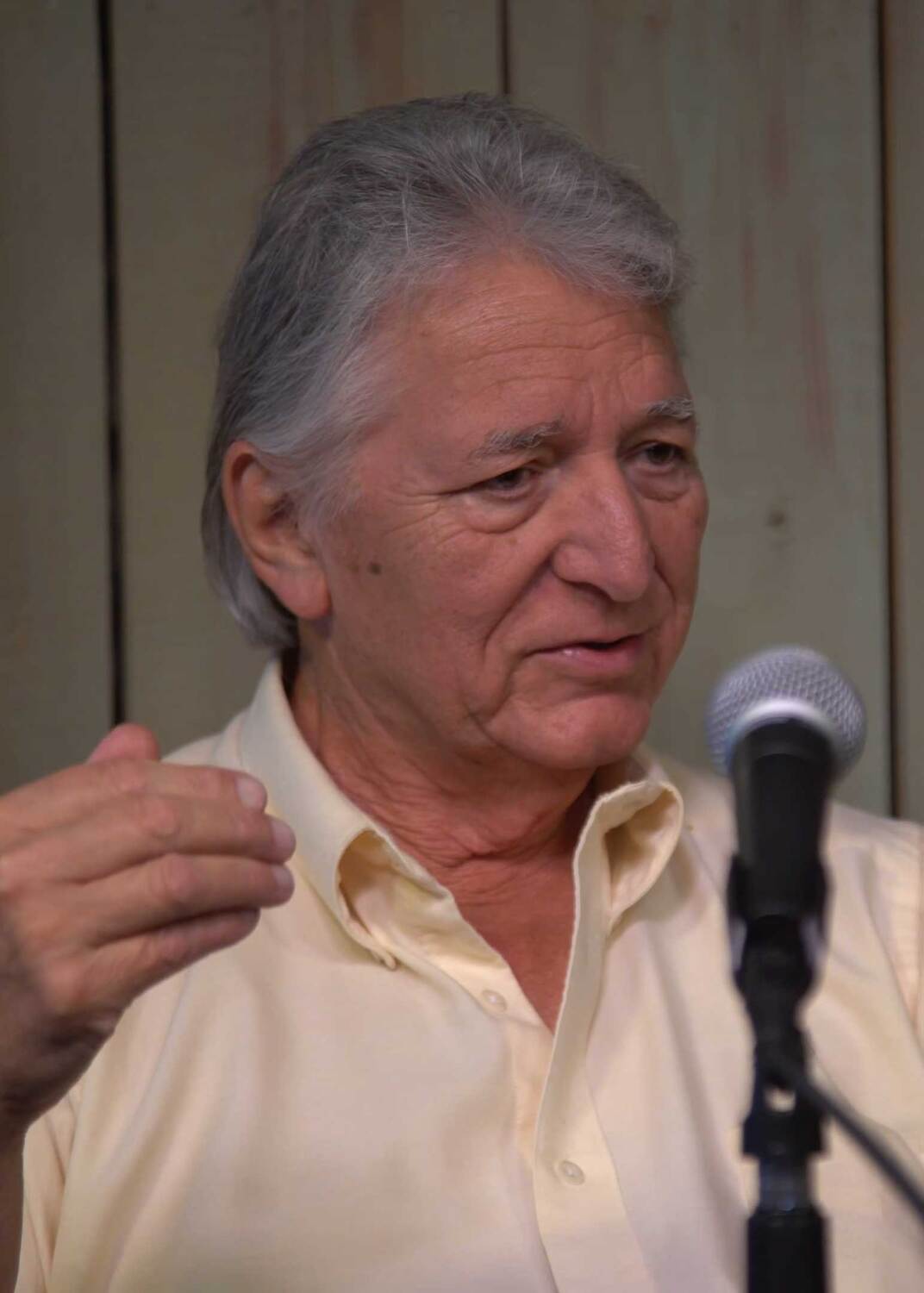
For many of the ranch videos and property stories produced by Mason & Morse Ranch Company, that voice belongs to Lobo Loggins.
Lobo is not a manufactured sound. He is not a digital effect. He is a musician, radio man, storyteller, husband, performer, and lifelong student of tone, timing, and connection. His voice had lived a life long before it ever described a ranch. That is what makes it matter.
When Lobo records a voiceover for Mason & Morse Ranch Company, his goal is simple: he wants the listener to feel as though he is sitting right there with them, telling them about the place. Not selling at them. Not shouting over them. Just speaking with them.
That distinction matters.
Watch the Lobo Loggins documentary and get a behind the scenes look at his voice work with Mason & Morse Ranch Company and his life experience as a professional singer, song writer, radio voice.Video interview shot on location at the RFDTV Ranch, Listed for sale by Mason & Morse Ranch Company.
Because a ranch is not just property. It is a layered story. It has geography, topography, history, use, memory, stewardship, production, habitat, and possibility. It has a rhythm of its own.
To tell that story well, marketing has to understand more than square footage and price. It has to understand the operations, the history, and the meaning.
That is part of the work of Mason & Morse Ranch Company.
The company’s “Live It to Know It” philosophy is more than a slogan. It reflects the belief that land should be represented by people who understand how land actually works: water, wildlife, access, production, agriculture, conservation, family legacy, and long-term value.
That same philosophy extends into the way Mason & Morse Ranch Company tells a property’s story.
Why the Story of Land Matters in Marketing
The story of land matters because land value is rarely based on one feature alone.
A buyer may first notice the scenery, but the decision to purchase often depends on a deeper understanding of the property. How does the water serve the land? How does the terrain affect usability? How do the improvements support the operation or lifestyle? What recreational opportunities exist? What agricultural capacity does the property offer? What history, conservation potential, or legacy value is tied to the place?
Each answer helps build understanding.
For sellers, that understanding can help a property stand apart in the market. Thoughtful marketing identifies the attributes that make the land distinct and explains why they matter. It does not simply list features. It connects them.
For buyers, that understanding helps create confidence. A ranch, farm, or recreational property is often a significant purchase, and buyers need to evaluate both practical and personal considerations. They may be thinking about income, recreation, family use, conservation, privacy, lifestyle, legacy, or long-term asset value. Clear and educational marketing helps them see how the property aligns with those goals.
This is why a land brokerage firm must do more than advertise.
A knowledgeable ranch brokerage should help sellers present a property accurately and meaningfully. It should also help buyers ask better questions, evaluate opportunities, and understand the qualities that make one ranch, farm, or recreational property different from another.
Marketing may introduce the property, but trust is built through knowledge, transparency, and experience.
The Role of Voice in Ranch Marketing
A ranch video is often a first introduction. It is the moment when a buyer begins to feel the scale of a place, the way the land opens, the way water moves, the way improvements sit in relation to the country around them, and the way a property begins to separate itself from every other ranch on the market.
It is also a moment of trust.
The narration has to be grounded. It has to respect the property. It has to sound like it belongs there.
That is why Lobo’s voice works.
His voice has depth, resonance, and layers because his life carries lived experiences, purpose, meaning, hardship, and success. During an interview with Lobo on site at the RFD-TV Ranch just outside Santa Fe, New Mexico, Bart Miller, Managing Broker and Partner of Mason & Morse Ranch Company, reflects that a voice is made up of life experience and the human element living inside a person. That is character. That is what cannot be manufactured, no matter how advanced technology becomes. It is the important factor in authenticity and the realness of the moment, the scene, and the story being told.
Lobo’s story winds through music, radio, the Air Force, touring overseas, Nashville, country music stages, small clubs, friendships, love, and years spent learning how to connect with people through sound. He speaks about measuring success not by fame or fortune, but by meeting good people and making good friends.
Lobo understands the value of these things because he has lived these moments.
That perspective fits naturally with the values and experience of Mason & Morse Ranch Company, where relationships, trust, and authenticity remain central to the way land is represented. Each property is real and tangible. Each property is unique, with a story to tell, and the story must be real.
In one part of his story, Lobo describes what people want from a voice on the radio. They want to hear someone they can identify with. Someone real. Someone who sounds as if he is talking directly to them in a personal, familiar setting.
That same idea applies to ranch marketing.
The best ranch marketing does not just show an expansive landscape from an aerial drone. It brings the viewer closer. It helps them understand not only what a property is, but what it feels like, how it functions, and why it matters. It gives the land a voice without overpowering the land itself. Aerial drone imagery can be the window, but real, authentic voice narration helps connect the viewer to the land.
What Sellers Should Expect From Ranch Marketing
For landowners considering the sale of a ranch, farm, or recreational property, marketing should do more than create exposure. Exposure is important, but the quality of the message matters just as much as the size of the audience.
Effective ranch marketing should help answer important questions:
- What makes this property distinct?
- How do the land, water, improvements, access, and location work together?
- What are the operational, recreational, agricultural, or conservation strengths?
- What is the history, use, or legacy of the property?
- What intangible qualities may matter to the right buyer?
- Who is the likely buyer, and what information will help that buyer understand the opportunity?
- How should the property be positioned in the current land market?
These questions require more than a camera and a listing description. They require time on the land, conversations with ownership, review of property attributes, and an understanding of how buyers evaluate rural assets.
At Mason & Morse Ranch Company, the goal is to represent the land with authenticity, care, and accuracy. A 50,000-acre working cattle ranch in Wyoming speaks differently than a high-country Rocky Mountain recreational retreat. A legacy family holding in Texas carries a different tone than an irrigated farm in Nebraska, a sporting property, or a conservation-minded landscape in Colorado.
The job is not to make every ranch sound the same. The job is to listen long enough, look closely enough, and know the land well enough to tell the right story. That includes identifying the attributes that give the property and its operations unique value.
That is where experienced brokerage and thoughtful marketing come together.
Why Buyers Also Need a Trusted Land Brokerage Relationship
While property marketing often begins with the seller, buyers also benefit from trusted land brokerage guidance.
Buying a ranch, farm, or recreational property requires a different level of evaluation than many other types of real estate. Buyers may need to consider water rights, grazing capacity, agricultural production, access, easements, mineral rights, wildlife habitat, fencing, improvements, conservation opportunities, operational costs, carrying capacity, land stewardship, and long-term ownership goals.
A buyer may be looking for a working ranch, an investment asset, a family retreat, a sporting property, a farm, or a legacy property to hold for generations. Each purpose changes the way a property should be evaluated.
That is why trust matters.
Buyers should be able to rely on a brokerage firm not only to show them available properties, but to help them understand the land. A good ranch broker helps a buyer look beyond the view and into the details. How does the property work? What questions should be asked? What due diligence may be needed? What makes this asset suitable, or unsuitable, for the buyer’s intended use?
Mason & Morse Ranch Company values that advisory role. Whether representing a seller, assisting a buyer, or helping families think through long-term land goals, the relationship is built on knowledge, experience, and honest communication.
Authenticity in a Changing Media Landscape
The way people experience property marketing is changing. Artificial intelligence, digital media, drone footage, online listing platforms, and automated content tools are becoming part of everyday communication. These tools can be useful. They can help organize information, improve efficiency, and expand reach.
But technology should not replace understanding.
It should not replace the human connection to land.
This is why Lobo’s role matters. His voice is a reminder that people still respond to what is real. A human voice can carry emotion, restraint, humor, warmth, and familiarity. It can honor a property without exaggerating it. It can help create a sense of place.
In ranch marketing, authenticity is not just a creative choice. It is a responsibility.
The land deserves to be represented honestly. Sellers deserve marketing that respects what they have owned, improved, operated, protected, or stewarded. Buyers deserve information that helps them make thoughtful decisions. The voice, visuals, words, and brokerage expertise should work together to create understanding.
Lobo Loggins is part of that connection.
His voice reminds us that authenticity still matters. As artificial intelligence begins to shape more of the media we see and hear every day, Mason & Morse Ranch Company continues to believe there is value in the human element. There is value in a voice that has been shaped by real experience. There is value in storytelling that honors the land instead of flattening it into generic marketing language.
Land has a story. A voice has meaning. Both have value.
And when land, voice, and experience are brought together with authentic integrity, the result is more than promotion. It becomes a meaningful introduction to a place.
That is the standard Mason & Morse Ranch Company works toward in every property story: knowledgeable, experienced, personal, grounded, and real.
Because to represent land well, you have to understand it.
You have to live it to know it.
Frequently Asked Questions
Why does storytelling matter in ranch marketing?
Storytelling helps buyers understand how the tangible and intangible attributes of a ranch, farm, or recreational property work together to create value. It connects land, water, improvements, access, recreation, agriculture, stewardship, and legacy in a meaningful way.
What should sellers expect from ranch marketing?
Sellers should expect marketing and broker services that does more than create exposure. Effective ranch marketing explains what makes the property distinct, how its attributes work together, who the likely buyer may be, and how the property should be positioned in the land market.
Why do buyers need land brokerage guidance?
Buyers of ranches, farms, and recreational land often need to evaluate water rights, access, agricultural production, wildlife habitat, improvements, easements, operational costs, stewardship, and long-term ownership goals. Trusted brokerage guidance helps buyers ask better questions and understand whether a property fits their intended use.