
Beyond the Hunt: What Wildlife Reveals About a Ranch
Written by Shiloh Wittler, Broker Associate, Mason & Morse Ranch Company
When evaluating a hunting or recreational ranch, buyers often begin by asking about elk numbers, mule deer hunting or recent harvests. Those are important questions, but there may be a better place to start: Why are the animals there in the first place?
What Does Wildlife Tell Us About a Ranch?
Wildlife can be one of the most honest indicators of a ranch's overall landscape health. Consistent wildlife use often reflects dependable water, quality forage, healthy vegetation, functioning riparian areas, adequate cover, thoughtful grazing practices and a landscape where animals feel secure.
Wildlife is often viewed primarily as an amenity—something that enhances recreation, creates memorable hunting experiences or adds to a property's appeal. Certainly, for buyers searching for a hunting or recreational ranch, wildlife and meaningful hunting opportunities may be a primary motivation.
Yet wildlife represents far more than recreation. In many ways, it is one of the most honest and unbiased indicators of the health of the land.
Long before an appraiser studies comparable sales, a ranch broker discusses value or a biologist inventories habitat, the land has already begun telling its story through the animals that choose to live there.
Why Is Wildlife an Indicator of Healthy Ranch Land?
Wildlife cannot simply be manufactured. Animals do not care about brochures, asking prices, appraisals or property boundaries. Every day, they make countless decisions about where to find water, where to feed, where to bed, where to breed, where to raise their young and where they feel secure enough to remain.
Those decisions are not completely random. They are a direct response to the quality and functionality of the surrounding landscape.
Healthy wildlife populations rarely exist by accident. They are often supported by a combination of:
- Dependable water sources
- Diverse native vegetation
- Healthy and functioning riparian areas
- Thoughtful grazing management
- Quality forage and seasonal feed
- Security and adequate cover
- Limited or appropriately managed pressure
- Neighboring lands that complement wildlife habitat
In other words, wildlife is often a reflection of land stewardship. The animals are simply responding to the conditions the land provides.
How Should Buyers Evaluate Wildlife on a Hunting Ranch?
This perspective changes the way a hunting ranch or recreational property should be evaluated.
Rather than asking only how many elk were harvested last season or whether a trophy mule deer has ever been taken from the property, experienced landowners and ranch buyers may benefit from asking more meaningful questions.
Important Wildlife Questions to Ask When Buying a Ranch
- Does wildlife use the ranch consistently?
- Does the ranch provide dependable water and quality forage?
- Is the property strategically positioned near public or private lands with limited pressure?
- Does the ranch provide important winter range?
- Does it offer productive summer habitat?
- Is the property located within a known wildlife migration corridor?
- Does it provide bedding, calving or fawning habitat?
- Do animals return to the property year after year?
Those questions may reveal considerably more about the quality of a ranch than a single harvest report ever could.
Why Does a Ranch's Location Within the Larger Landscape Matter?
Wildlife moves across landscapes, not property lines. Understanding how a ranch fits into the surrounding ecosystem can therefore be just as important as evaluating the acreage within its deeded boundaries.
The reality is that relatively few ranches are large enough—or ecologically diverse enough—to support resident herds of elk or deer throughout the entire year.
An elk may calve on one ranch, spend the summer on another, migrate across several additional properties and winter miles away. A mule deer may use a particular ranch for only a few weeks each year, yet that relatively short period may be critically important to its survival.
This is why knowledgeable buyers should evaluate not only the wildlife found on the ranch today, but also the property's role within the broader landscape.
Adjoining public lands, private ranches, migration routes, elevation changes, water resources, seasonal forage and hunting pressure can all influence how wildlife uses a particular property.
Why Is Consistent Wildlife Use More Important Than One Trophy Animal?
Many Western ranches have stories about the giant bull elk harvested years ago or the once-in-a-lifetime mule deer buck that appeared during the rut. Those stories are exciting, but they may speak as much to opportunity and luck as they do to the long-term quality of the land.
A ranch that consistently supports healthy wildlife populations year after year may tell a much more meaningful story.
Consistency can suggest reliable water, healthy forage, quality cover and resilient land management. Those same qualities that encourage elk, deer and other wildlife to return are also among the conditions most likely to produce exceptional animals over time.
When landowners invest in the fundamentals that benefit wildlife, they may ultimately achieve both outcomes: dependable wildlife populations today and the opportunity for remarkable wildlife tomorrow.
How Does Ranch Stewardship Affect Wildlife Habitat?
Good stewardship and productive wildlife habitat are often closely connected.
Thoughtful grazing practices, healthy riparian areas, dependable livestock and wildlife water, invasive species management, native vegetation, appropriate hunting pressure and carefully managed agricultural lands can collectively create a more resilient landscape.
Wildlife responds to those conditions naturally.
For ranch owners, this means that investments made to improve the overall health of the land may simultaneously support agricultural productivity, wildlife habitat, recreational opportunities and the long-term desirability of the property.
Wildlife Adds Value Beyond Hunting
Of course, wildlife contributes value that extends far beyond hunting.
During the rest of the year, wildlife enriches the ranch ownership experience in quieter ways. Some properties simply have an unmistakable energy to them.
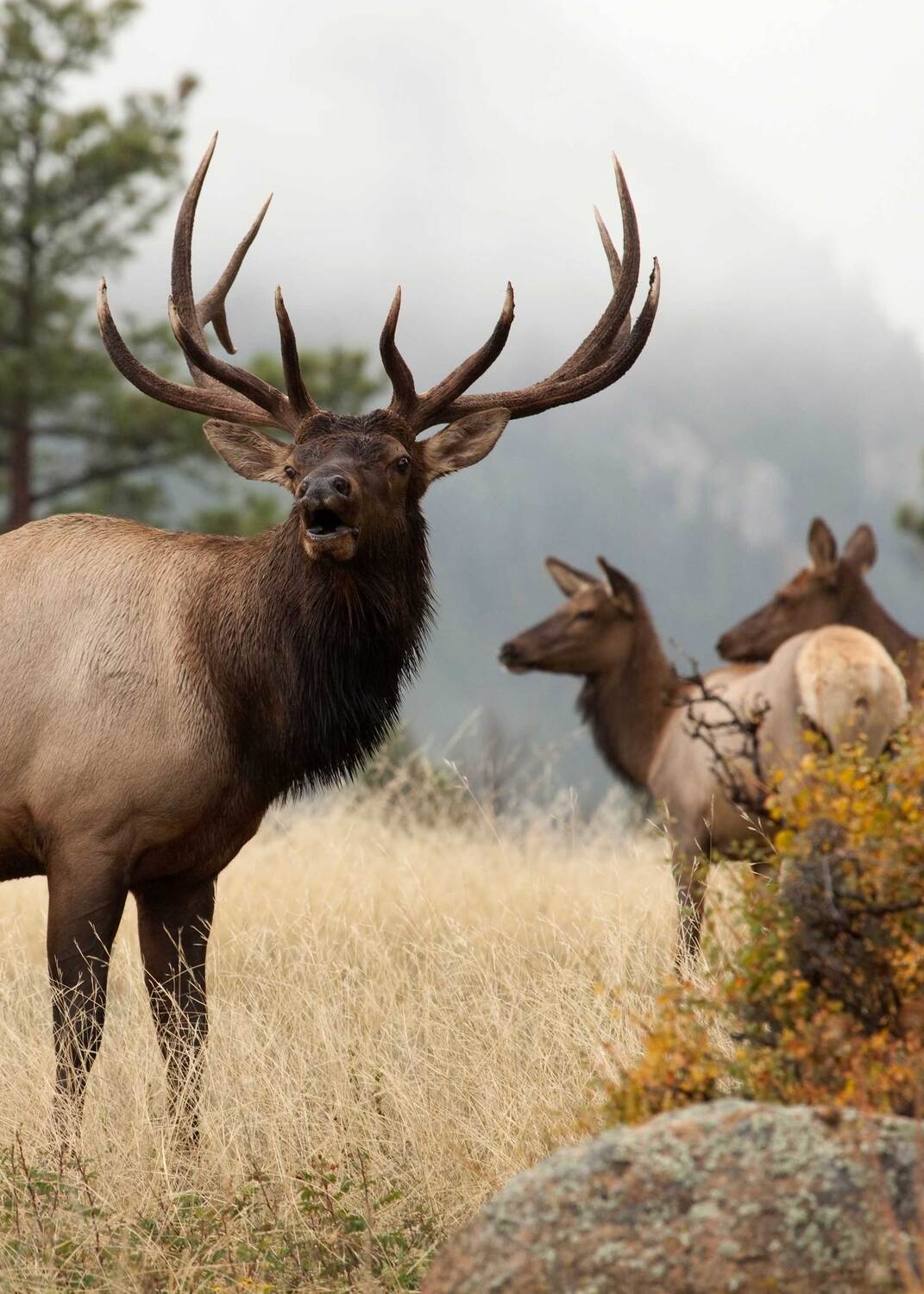
Elk grazing across a meadow. Trout rising in a healthy stream. Coveys of grouse flushing from sagebrush. Mule deer moving through the timber. Songbirds gathering along a riparian corridor.
None of these experiences exists entirely in isolation. Together, they often reveal an ecosystem functioning much as it should.
Perhaps that is why wildlife can serve as one of nature's most honest "report cards" for ranch land.
Wildlife Has Already Evaluated the Ranch
Every deer, elk, grouse, antelope, trout or songbird can tell us something about the health of a landscape.
Their presence may reflect the security of the habitat, the availability of water and forage, and the care with which the land has historically been managed.
Long before a prospective buyer arrives, before an appraisal is completed and before a market value is assigned, wildlife has already evaluated the ranch.
So when considering a hunting ranch, recreational property or Western land investment, it may be worth answering a different question first:
What does the wildlife tell us about the land?
The answer often reveals far more than the size of an elk herd or the score of a trophy buck. It reveals the character of the landscape itself—and the stewardship that has helped shape it into a secure, long-term land investment.
Frequently Asked Questions About Wildlife and Ranch Real Estate
What does abundant wildlife tell you about a ranch?
Consistent wildlife use can indicate quality habitat, dependable water, healthy forage, sufficient cover and thoughtful land management. Rather than focusing solely on the number of animals present at one moment, buyers should consider why wildlife uses the property and whether animals return consistently.
What should buyers look for when purchasing a hunting ranch?
Buyers should evaluate habitat quality, water resources, forage, cover, hunting pressure, neighboring land uses, migration routes, public-land access and seasonal wildlife use. Understanding how the ranch fits into the broader ecosystem can be as important as reviewing past harvest records.
Does a ranch need resident elk or deer year-round to be a good hunting property?
No. Elk, mule deer and other wildlife frequently move across large landscapes according to season, weather, forage and breeding patterns. A ranch may provide valuable winter range, summer habitat, migration access, calving areas or temporary security cover without holding the same animals throughout the entire year.
Why is consistent wildlife use important?
Consistent wildlife use can suggest that a property provides dependable habitat conditions over time. Reliable water, healthy forage, adequate cover and limited disturbance may encourage animals to return year after year.
How does ranch stewardship affect wildlife?
Good ranch stewardship can improve wildlife habitat through responsible grazing, water development, riparian management, native vegetation management, invasive species control and appropriate recreational pressure. Healthy working landscapes can support both agricultural production and wildlife.
Can wildlife increase the appeal of ranch real estate?
Yes. Wildlife can enhance hunting and recreation opportunities while also contributing to the overall ranch ownership experience. Consistent wildlife use may also demonstrate important characteristics of the property, including habitat quality, water resources and long-term land stewardship.
About the Author
Shiloh Wittler is a Broker Associate with Mason & Morse Ranch Company, specializing in agricultural, recreational, and natural resource properties throughout the Rocky Mountain West. His experience as a real estate broker, certified general real estate appraiser, landowner, rancher, and manager provides a practical perspective on ranch values, stewardship, water resources, conservation, and Western land markets.