
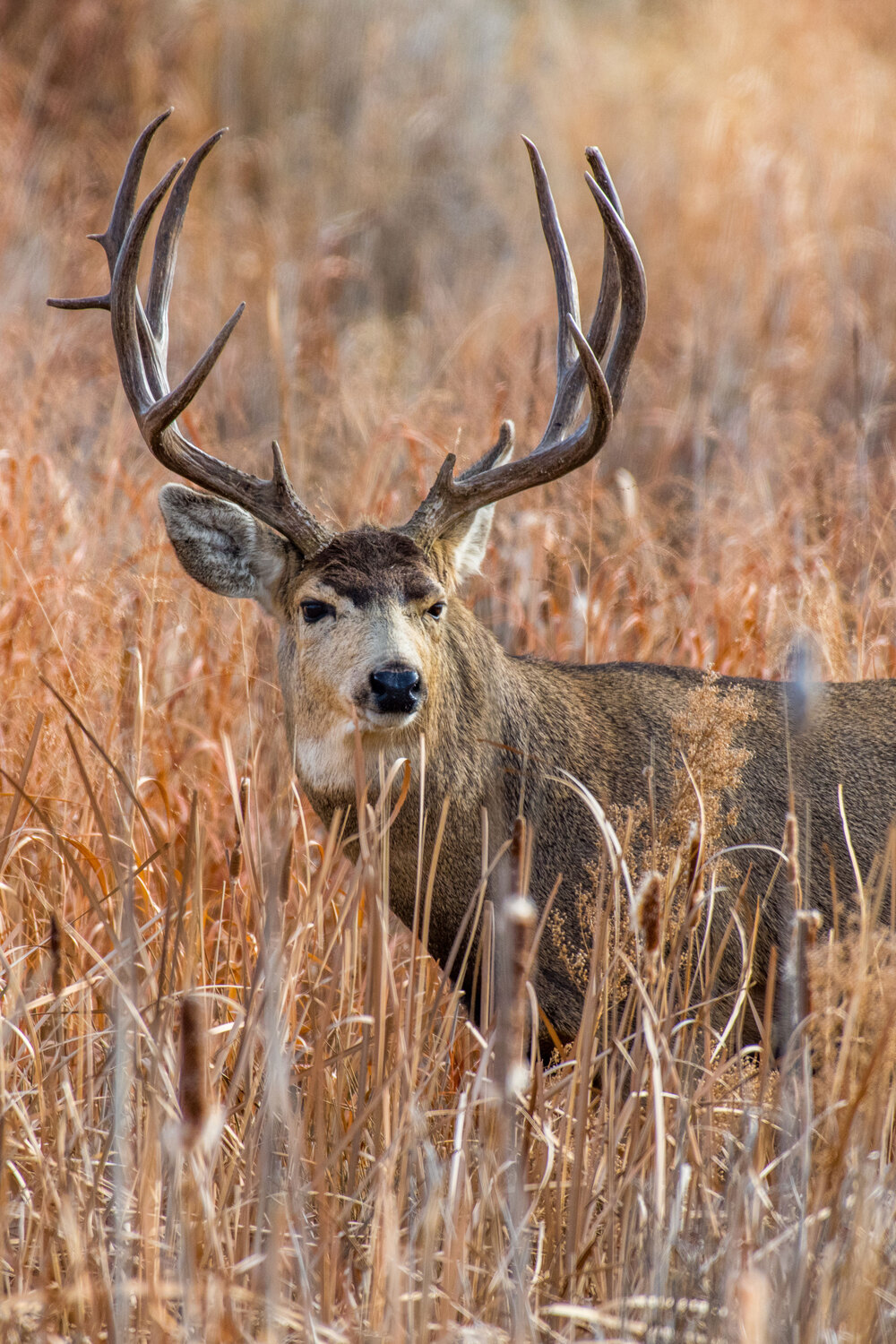
Federal Hunting Access Funding: What Private Ranch Owners Need to Know
USDA's $70 million investment highlights the choices between public hunting access, private hunting leases and exclusive recreational use—and what those decisions may mean for ranch values.
How Does Federal Hunting Access Funding Affect Ranch Owners?
Federal hunting access funding creates voluntary opportunities for private landowners to provide public hunting and fishing access, potentially receiving financial incentives and habitat-management assistance. However, ranch owners can also manage hunting through private leases, outfitter agreements or exclusive recreational use.
As federal investment in public hunting and fishing access expands, ranch owners face an important decision: whether to participate in government-supported access programs, manage hunting opportunities through private arrangements or preserve exclusive recreational use of their land.
Each approach carries different considerations for agricultural operations, wildlife management, recreational income and long-term property value.
On November 2, 2026, the U.S. Department of Agriculture (USDA) announced an additional $21 million for 10 projects intended to expand voluntary public hunting and fishing access on privately owned lands.
Combined with $49 million awarded earlier in 2026, USDA's investment through the Voluntary Public Access and Habitat Incentive Program (VPA-HIP) totals $70 million across 29 projects.
The program supports state and tribal initiatives that encourage landowners to provide hunting, fishing and other wildlife-dependent recreational access. Participation is voluntary, and individual programs may offer financial incentives and habitat-management support.
For ranch owners, however, the decision involves more than the availability of federal funding.
Voluntary Public Hunting Access Programs Across Ranching States
Public hunting-access partnerships are an established part of rural land management in several states where Mason & Morse Ranch Company represents agricultural and recreational properties.
Montana Block Management Program
Montana's Block Management Program reports approximately 6.8 million enrolled acres for the 2026 hunting season, with participation from approximately 1,200 landowners.
Nebraska Open Fields and Waters Program
Nebraska's Open Fields and Waters program reported a record 471,646 enrolled acres in 2025, with more than 940 participating landowners during the 2025–26 program year.
The program illustrates how public access can coexist with agricultural land use in a state where working ranches, river corridors and wildlife habitat are important characteristics of Nebraska farms, ranches and hunting land for sale.
Additional Hunting Access Projects in Western States
Kansas, South Dakota, Wyoming and Colorado also maintain programs that provide recreational access to privately owned lands through varying arrangements with landowners.
The latest USDA funding includes projects in several agricultural and ranching states:
- Kansas: A proposed expansion of 40,000 hunting-access acres, 250 fishing-access acres, two river access sites and approximately 180 additional landowner enrollments.
- South Dakota: A project targeting 150,000 acres of qualifying private land for hunting access, along with expanded fishing opportunities.
- Texas: Additional leased hunting opportunities, private-land drawn hunts and river recreation access.
These figures represent program objectives, not completed enrollments. Existing state programs also operate under different funding and participation arrangements.
Public Hunting Access vs. Private Hunting Leases: What Are the Options?
Ranch owners generally have three primary approaches to managing hunting access: voluntary public-access programs, private hunting agreements and exclusive recreational use. Some properties may also combine these approaches.
1. Voluntary Public Hunting Access Programs
Government-supported programs may provide financial incentives, habitat-management assistance and opportunities to support public recreation.
Participation requirements, compensation, permitted activities and landowner responsibilities vary by program and state.
2. Private Hunting Leases and Outfitter Agreements
Private hunting leases, outfitter agreements and guided hunting arrangements may provide recreational income while allowing landowners to establish access conditions, coordinate hunting activities with livestock operations and manage hunting pressure.
These arrangements can provide flexibility for ranches where hunting is an important component of the property's recreational and economic potential.
3. Exclusive Private Hunting and Recreational Use
Other ranch owners prefer to reserve hunting opportunities for themselves, family members or invited guests.
Exclusive recreational access may be particularly appealing to owners who prioritize privacy, limited hunting pressure and personal enjoyment of their property.
In some cases, ranches combine these approaches by allowing different types of access on separate portions of the property or during designated seasons.
Choosing not to participate in a government-sponsored program does not necessarily indicate opposition to public hunting or wildlife conservation. A landowner may simply prefer a private arrangement that better fits the property's management needs and ownership objectives.
How Does Hunting Access Affect Recreational Ranch Property Values?
Hunting access can influence recreational ranch value through income potential, privacy, wildlife habitat, hunting pressure and a buyer's ability to control access. No single access arrangement automatically creates a higher property value.
The distinction between public access, private hunting leases and exclusive recreational use is important when evaluating ranches and recreational sporting properties for sale.
For buyers exploring hunting land and ranches for sale, important considerations extend beyond wildlife populations.
Habitat quality, water resources, neighboring land uses, hunting pressure and the ability to control access can all influence a property's recreational appeal.
Income-Producing Hunting Properties
For some properties, established hunting leases or outfitter arrangements may provide an identifiable income stream that prospective buyers can evaluate.
Buyers should examine historical income, operating expenses, agreement terms and whether existing arrangements will continue following a sale.
Exclusive Hunting Properties
For other properties, privacy, limited hunting pressure and exclusive recreational opportunities may be important characteristics that contribute to buyer interest.
These characteristics may be especially relevant for buyers seeking a private family retreat, legacy ranch or recreational investment.
What Determines Recreational Ranch Value?
Neither income-producing hunting access nor exclusive recreational ownership automatically produces a higher market value.
The relationship depends on wildlife resources, habitat quality, water availability, access conditions, operating costs, the terms of existing agreements and the preferences of prospective buyers.
The Mason & Morse Ranch Company American Ranch Land Value Report examines the broader characteristics that influence agricultural and recreational ranch values, including water resources, location, operational utility and recreational opportunities.
In Beyond the Hunt: What Wildlife Reveals About a Ranch, Shiloh Wittler, Associate Broker with Mason & Morse Ranch Company, explores how water, habitat, neighboring land uses and hunting pressure influence wildlife activity and the recreational characteristics of ranchland.
These considerations help explain why hunting rights and recreational value cannot be measured by acreage alone.
What Should Ranch Buyers and Sellers Consider Before Entering a Hunting Access Agreement?
Whether hunting access is provided through a government program, a private lease or an outfitter agreement, the terms can affect how a ranch is operated and evaluated.
Important considerations include:
- Duration and renewal provisions of hunting access agreements
- Compensation arrangements and historical recreational income
- Permitted hunting and recreational activities
- Access boundaries, roads, gates and designated entry points
- Seasonal limitations and coordination with livestock operations
- Insurance requirements and liability provisions
- Wildlife management practices and hunting pressure
- Restrictions affecting agricultural operations
- Transferability of agreements following a property sale
- Compliance with applicable state hunting regulations
For prospective buyers comparing recreational ranches and sporting properties for sale, existing hunting leases, outfitter agreements and public-access arrangements deserve particular attention during due diligence.
A buyer should determine whether an agreement continues after a sale, whether recreational income is transferable and whether the terms are compatible with the intended use of the property.
Hunting licenses and permits are also subject to applicable state wildlife regulations and should not be confused with a landowner's contractual authority to grant access to private property.
These considerations are particularly relevant for ranches marketed for hunting, fishing, wildlife habitat and other recreational opportunities.
Wittler further examines long-term stewardship and ownership decisions in Decades, Not Seasons: Why the Best Ranch Land Buying Decisions Are Made With a Long-Term View.
Frequently Asked Questions About Hunting Access and Ranch Ownership
What is the USDA Voluntary Public Access and Habitat Incentive Program?
The USDA Voluntary Public Access and Habitat Incentive Program (VPA-HIP) supports state and tribal initiatives that encourage voluntary public hunting, fishing and other wildlife-dependent recreational access on privately owned land. Programs may provide financial incentives and habitat-management assistance to participating landowners.
Are private ranch owners required to allow public hunting access?
No. Participation in VPA-HIP-supported access programs is voluntary. Ranch owners may instead choose private hunting leases, outfitter agreements or exclusive recreational use, subject to applicable laws and existing property agreements.
Can ranch owners earn income from hunting leases?
Yes. Private hunting leases, outfitter agreements and certain voluntary public-access programs may provide income or financial incentives. The amount and reliability of compensation depend on the property's wildlife resources, access conditions, demand and agreement terms.
Does a hunting lease increase ranch property value?
Not necessarily. Hunting leases may create an income stream, but their effect on market value depends on income stability, agreement terms, wildlife habitat, operating expenses and buyer preferences. Some buyers may place greater value on exclusive recreational access.
What should buyers investigate when purchasing a hunting ranch?
Buyers should review existing hunting agreements, access rights, wildlife habitat, water resources, hunting pressure, liability provisions, income records and whether agreements continue after the property changes ownership.
Can agricultural operations and hunting access coexist?
Yes. Many working ranches accommodate hunting and other recreational activities alongside livestock grazing and agricultural production. Successful arrangements depend on access management, seasonal coordination, safety considerations and clearly defined agreements.
Looking Beyond Federal Hunting Access Funding
USDA's expanded investment may provide additional opportunities for landowners who want to participate in voluntary public-access programs while improving recreational opportunities for hunters and anglers.
At the same time, privately managed hunting leases, outfitter arrangements and exclusive recreational ownership remain important alternatives.
The central issue is not whether public or private hunting access is inherently better. It is whether the chosen arrangement supports the property's agricultural productivity, wildlife resources, recreational opportunities and long-term ownership objectives.
Understanding those distinctions remains important for buyers, sellers and the professionals evaluating rural land.
About Mason & Morse Ranch Company
Founded in Colorado in 1961, Mason & Morse Ranch Company specializes in the sale of working ranches, farms, recreational and sporting properties, and investment-grade rural land.
The company has completed more than $2 billion in ranch, farm, recreational and rural land sales involving more than 1.2 million acres. Licensed across 13 states and supported by more than 133 years of combined broker experience, its professionals bring firsthand knowledge of agricultural operations, water resources, wildlife habitat and rural property transactions.
Guided by its Live It to Know It® philosophy, Mason & Morse Ranch Company knows what drives value on the ground.
Media Contact: [email protected]
Website: www.ranchland.com
Sources and Supporting Research
- USDA — November 2, 2026 VPA-HIP Funding Announcement
- USDA — Voluntary Public Access and Habitat Incentive Program
- Montana Fish, Wildlife & Parks — Block Management
- Nebraska Game and Parks — Open Fields and Waters
- Mason & Morse Ranch Company — American Ranch Land Value Report
- Shiloh Wittler — Beyond the Hunt: What Wildlife Reveals About a Ranch