
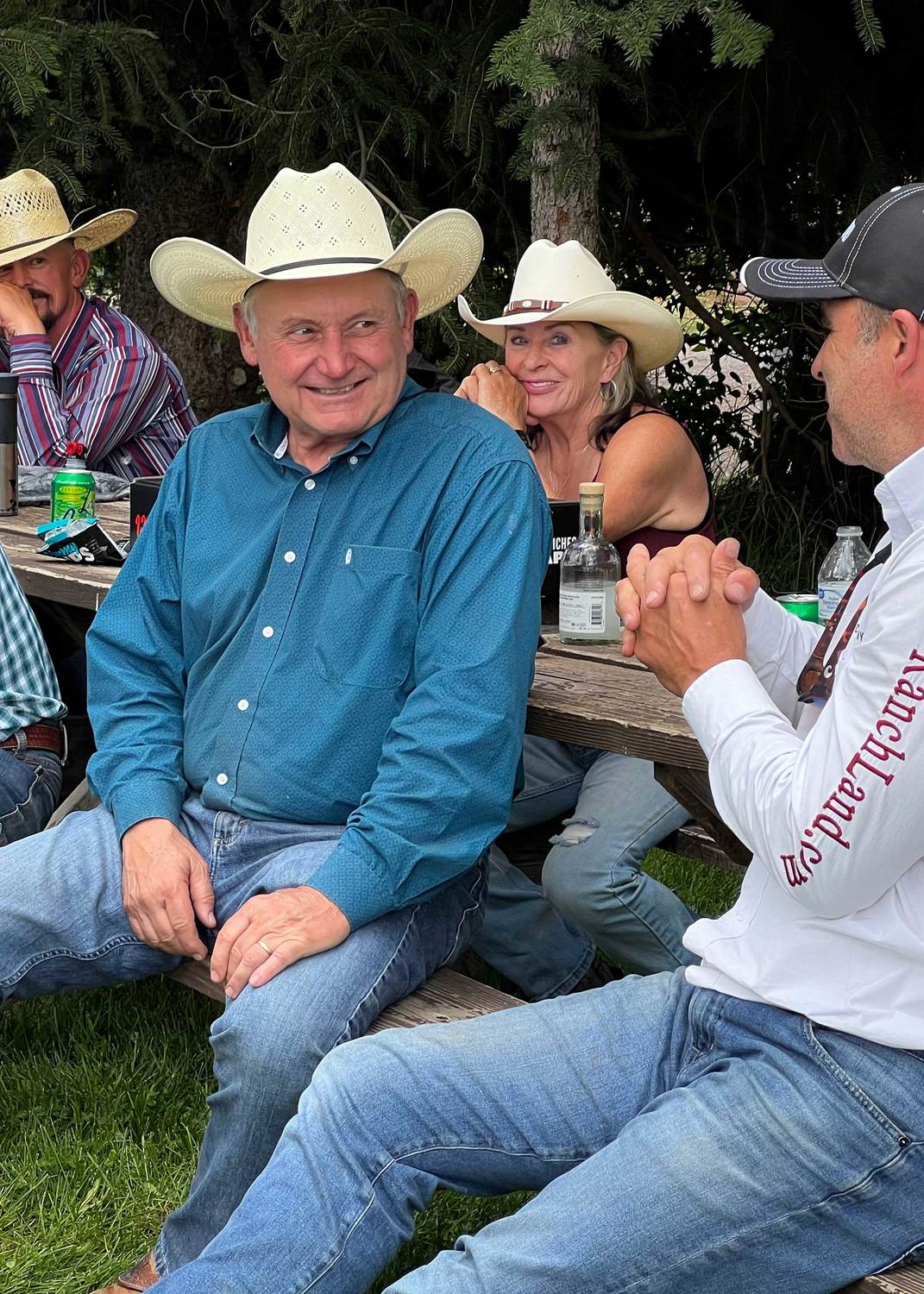
Introduction by John Stratman (Ranch Broker and Principal Partner Mason Morse Ranch Company)
All too often I come across family operations that are asset rich and cash poor and that do not have financial planning in place to deal with life events whenever and wherever they may occur.
Throughout my career spanning over four decades in the ranch and land brokerage industry, I’ve had the privilege of working with countless ranching families across the Western United States. As a principal partner in Mason & Morse Ranch Company, operating under its trade name Ranch Company, and a third-generation rancher myself, I understand firsthand the unique challenges that agricultural families face when it comes to preserving their legacy while navigating the complexities of modern financial planning.
I recently met a sincere and genuine person that can help farming and ranching as well as other small business operators with the financial planning and protection they need. I am pleased to introduce this person and what she brings to the table.
Tonia Fuller, Financial Strategist with Heritage Capital Partners, www.heritage-capital-partners.com
Email: [email protected]
Phone: 308.520.5476
For many ranching families, the land isn’t just an asset, its identity, heritage, and the foundation on which generations have built their lives. Yet as operations grow more complex and markets become more volatile, protecting that legacy requires more than good management. It requires strategic financial planning designed specifically for ranchers, farmers, and agricultural business owners.
While each family’s situation is unique, three core strategies consistently help ranching operations strengthen their financial position, reduce risk, and build long-term generational wealth.
1. Protecting the Ranch with Tax-Advantaged Insurance Strategies
Ranching families often rely heavily on physical assets, land, equipment, livestock, but overlook the need to protect the financial value of the operation if something unexpected happens.
A well-designed insurance strategy can:
• Provide tax-advantaged liquidity during emergencies
• Cover operational costs during a disability or loss of a key family member
• Protect heirs from needing to sell land to pay estate taxes
• Create a self-funding “family bank” to finance purchases and expansion
Indexed Universal Life (IUL) policies are increasingly used in agriculture as both protection and supplemental retirement income vehicles. When structured properly, they allow ranch families to grow long-term assets without direct exposure to market downturns, a benefit especially important in volatile ag markets.
2. Using Trusts and Succession Planning to Keep the Ranch in the Family
One of the biggest threats to multi-generation ranching operations is a lack of formal planning. Without the right structure, families often face:
• Forced land sales
• Probate complications
• Disputes between heirs
• Heavy tax burdens
Trust-based succession planning can provide clear instructions for the next generation while protecting the ranch from division, mismanagement, or liquidation. Common strategies include:
• Family Trusts for structured inheritance
• LLCs or partnerships to separate business operations from personal assets
• Buy-sell agreements funded with insurance to ensure smooth ownership transitions
• Conservation strategies that reduce tax impact while preserving land use
Proactive planning ensures the ranch transitions smoothly, not in crisis.
3. Diversifying Income Streams Without Leaving the Ranching Lifestyle
Modern ranching families are increasingly exploring ways to create supplemental income without compromising the integrity of the land. Popular options include:
• Hunting leases
• Horse boarding or training income
• Agritourism (farm stays, events, educational tours)
• Renewable energy leases
• Strategic land parcels held for future development
Pairing diversified revenue with tax-efficient investment vehicles (annuities, business-structured retirement accounts, and IUL cash value) can stabilize a ranch’s financial foundation while providing predictable retirement income for the owners.
Final Thoughts
At the end of the day, ranching is more than a business, it is a legacy worth protecting. With the right combination of financial strategy, risk management, and long-term planning, ranching families can strengthen their operations today while securing their land and heritage for future generations.
If you’re a rancher or agricultural business owner looking to evaluate your current plan, or build a new one that aligns with your goals, Heritage Capital Partners is here to help.
Contact John Stratman for more information and discussion about protecting your ranching legacy.