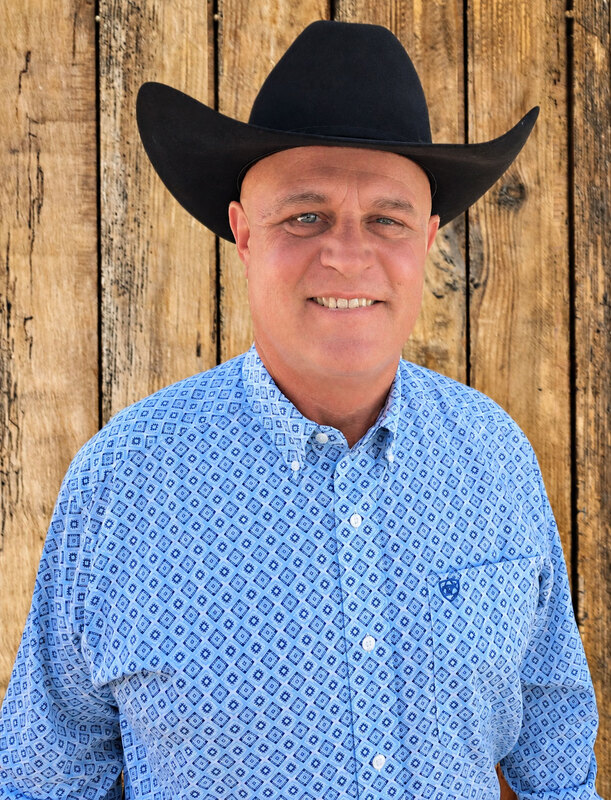
Frank NeVille Joins Mason & Morse Ranch Company
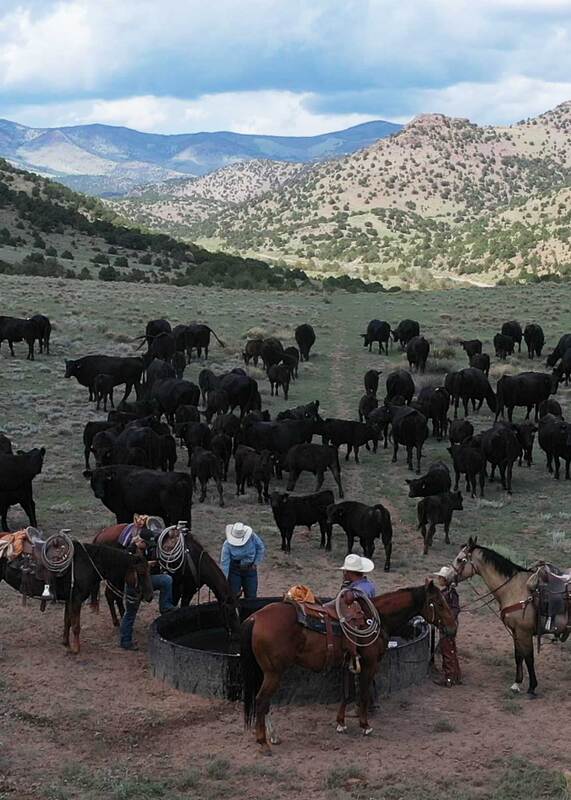
Fourth-generation Wyoming rancher brings firsthand ranching experience, knowledge of Western land and rural communities, and a lifelong connection to hunting, horses and the Western way of life.
When selling a ranch, farm or significant land property, the quality of the exposure matters before the quantity of the exposure. The best place to begin marketing a ranch is not necessarily the website with the most traffic. Maximum quality exposure starts with a specialized ranch, farm and land brokerage that understands the property, recognizes what drives its value, and positions it correctly.
James Rinehart of Mason & Morse Ranch Company explains why Wyoming mountain properties with deeded acreage, live water, timber, National Forest access and quality improvements are so rare. Buyer comparison between Colorado and Wyoming ranch and recreational real estate.
There are very few places left in the Colorado Roaring Fork Valley near Aspen where you can stand in an irrigated hay meadow, look across uninterrupted ranchland toward Mount Sopris, and know that the view is likely to remain largely unchanged for generations.
Most land developments divide one large tract into smaller lots. Three Pine Ridge did exactly the opposite. What began as a failed 1970s subdivision of nearly 500 half-acre lots has been transformed into three carefully planned 20-acre rural estate properties supported by professionally engineered water infrastructure, coordinated utilities, and a complete replat. The project demonstrates how changing market demand—and a clear understanding of highest and best use—can create entirely new value from functional obsolete land.
The best state to buy a ranch depends on whether the buyer prioritizes agricultural production, recreational resources, lower land-cost benchmarks, reliable water, or a longer operating season. Wyoming and New Mexico may offer comparatively low statewide pasture-value benchmarks, Texas and Oklahoma can provide longer grazing seasons, while Colorado, Montana, and Oregon may offer stronger combinations of water, recreation, and mountain-market demand.
A ranch buyer must verify both the legal right to use water and the physical ability to deliver it where and when it is needed. A creek, well, spring, pond, or irrigation ditch may add visual appeal, but its presence does not prove ownership, priority, reliability, permitted use, or transferability. Irrigation wells pumping subsurface water may have ownership rights but may also come with pumping limitations. Each state, regional, and local water district has different water laws, rules, and regulations to consider.
Before buying a ranch, a buyer should verify the property’s ownership, access, water, soils, carrying capacity, improvements, leases, operating costs and legal restrictions—not simply evaluate its scenery, acreage and asking price. The goal of ranch due diligence is to determine whether the land can legally, physically and economically support the buyer’s intended use.
Selling a ranch successfully requires more than placing the property on the market. The owner must establish a defensible value, organize the ranch’s legal and operational records, select the right sale method, present the property accurately, qualify prospective buyers and manage due diligence through closing.